

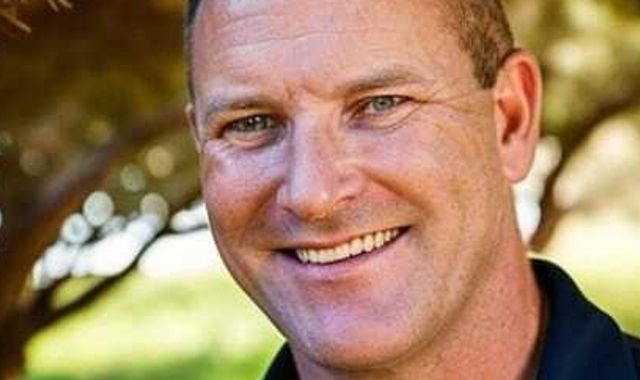
If you've ever spent your morning commute daydreaming about starting afresh with your career, this feature is for you. Each Monday, we speak to someone from a different profession to discover what it's really like. Today we speak to chartered financial adviser Martin Rayner from Compton Financial...
The most common reason people visit is... pension consolidation. Most people have pots scattered across various companies and simply want to know which are worth keeping and which to amalgamate.
Inheritance tax planning has surged since defined benefit pensions were included in the estate... Having worked hard to build their wealth, people are now focused on protecting it.
Investing isn't about "beating" the market... it's about matching your life to an acceptable level of risk. My job isn't to find the next Apple; it's to ensure you don't take more risk than your situation can handle, while still growing your pot enough to retire when you want to.
Checking your investments every week is a recipe for... high blood pressure and bad decision-making. You are investing for a five, 10, 20 or 30-year horizon. If you focus on every 1% dip, you will stress yourself into selling at the exact wrong time.
Lifestyle inflation is a silent trap... As your income climbs, you feel you "deserve" more, and yesterday's luxuries quickly become today's necessities.
But here is the brutal truth... and this quote I heard is spot on: "Almost nothing you buy in a shopping centre today will still be in your house in five years." The only way to win is to focus on what brings you lasting happiness. Don't buy things to impress people who probably are fighting their own lifestyle inflation. Buy things that make you happy - though deep down, the truly happy things in life are not things you can buy.
Read the latest consumer news and handy tips in our Money blog
The one thing I have learned about people is that... they are far more down-to-earth than the headlines suggest. We are constantly fed a diet of negativity about "the greedy" or "the irresponsible", but whether I am sitting across from a manual labourer or a global chief executive, they are almost universally nice, hardworking people who just want to do right by their families.
My best piece of practical advice is... follow the "never saw it" rule. Start contributing to a pension the moment you start working. Every time you get a pay rise, immediately divert 10% of that increase into your pension. If you never see the money in your bank account, you won't miss it - but your 60-year-old self will treat you like a hero.
The smallest habit that can have the most explosive impact is... starting a pension when you get your first payslip. Some people wait until their 30s or 40s, but by then, they've already missed the most powerful growth years. Assume a 7% growth rate, and your money doubles every 10 years. If a 27-year-old starts now, their money has 40 years to grow before they hit state pension age. That means every £100 they tuck away today has the potential to become £1,600 by the time they retire.
Some common advice that might not suit everyone is... pay down your mortgage if you have spare money. While this is definitely suitable in some situations, paying into a pension can give you much better returns. For example, paying down a 4% mortgage saves you 4% on that money. A high-rate taxpayer paying £60 into a pension from their own money will get effectively £100 of benefit. A 66% return on the money. So a much better return on their money.
The government policy that causes the most systemic pain is... the £100,000 tax cliff edge. It is a piece of fiscal engineering that actively punishes ambition and hurts both the individual and the wider economy. The £100k cliff edge is a ghost tax that haunts the UK's most ambitious workers. When the state makes it financially irrational to earn a higher salary, the whole country loses.
What is the £100k tax trap?
Money makes you happy, up to a point... It is the ultimate lubricant for life's frictions. It kills the stress of the broken boiler, the rising food bill and the "what ifs" that keep people awake at night. When you move from struggling to comfortable, your happiness levels absolutely soar. However, once your needs are met and you have a few solid comforts, the happiness curve starts to tail off. Adding another zero to your bank balance doesn't make your coffee taste better or your friendships deeper. At that stage, you hit a plateau where time becomes more valuable than currency. Money is just fuel. You can spend your whole life filling the tank, but if you never actually drive the car, what was the point? True wealth is knowing when you have enough to start living.
Wealthy clients don't just have bigger numbers... they have fewer easy wins. While a middle-earner can save money into a pension to save tax, the "standard" government tax breaks of pension contributions and tax free allowances reduce or vanish as you get richer.
The most awkward conversations I have are with... divorcing clients. You aren't just dividing assets; you are explaining the cold, hard financial impact of splitting one life into two. People are often in a high-stress, emotional state, and my job is to be the voice of reason when the maths doesn't match their expectations.
Read more from this series:
'I'm a gardener - a common piece of advice about your lawn simply isn't true'
'I'm a travel agent - here's why you're wrong on five-star hotels'
£200k salaries and why they really make you put your phone on airplane mode: Secrets of a pilot
As a financial adviser you'll start earning around £30,000 in London... climbing to £45k-£60k with experience. Then a "bonus" cut - typically 25% - of any fees you generate above your sales target (usually three to four times your salary).
Being self-employed... there is no ceiling to what you can make, but there is no safety net. It's 100% down to your ability to hunt. It is more for the experienced adviser with a loyal book of clients, as starting a business without existing clients is going to be very challenging financially.
A client can expect to pay... the "2 and 0.5" model: a 2% upfront fee for the initial plan and 0.5% annually.
To get a licensed qualification, it takes... around 18 months to two years but it can vary. To become chartered it takes three to five years in total.
The best way to find an adviser... is through referrals. Get personal recommendations from friends in a similar financial situation. Look at reviews using verified platforms like VouchedFor. Be wary of Google reviews; they are not validated and generic praise is easy to fake. You should go to the Financial Conduct Authority register website to verify they are authorised. If they aren't on there, walk away.
It's very important to ask an adviser... if they are independent "whole of market" or restricted, ie, can only provide their own fund recommendations. A restricted adviser limits your choice so they would need to have significant other benefits to compensate for this restriction.
Some red flags to be nervous of are... a jargon smokescreen - if they can't explain a strategy in plain English, they either don't understand it themselves or they may be hiding high fees.
Beware fee fog... Make sure you get a clear breakdown of all the likely costs and get this upfront. Some might take you down a path when you hear the fees and you feel it is too late not to proceed. If you feel pressured to sign "before a deadline", it's a massive red flag.

(c) Sky News 2026: The 'never saw it' rule and why many people shouldn't overpay mortgage: Tips from a financia
 Local news content from CItiblog - read more at
  Buckingham Palace confirms King's US state visit to go ahead as planned after Trump dinner shooting
 Birmingham bin strike end 'within sight' after more than a year, says council leader
 Northern Ireland 'will not accept being dragged backwards' after car bomb, says first minister
 Mark Kleinman blog | Claire's shuts up shop amid last-ditch talks to salvage stores
 Will Starmer face investigation over Lord Mandelson vetting claims?